AI Data Centers Will Pay for Grid Upgrades and Carbon, Here’s What Changes
 By Chad Jones, Strategy ·
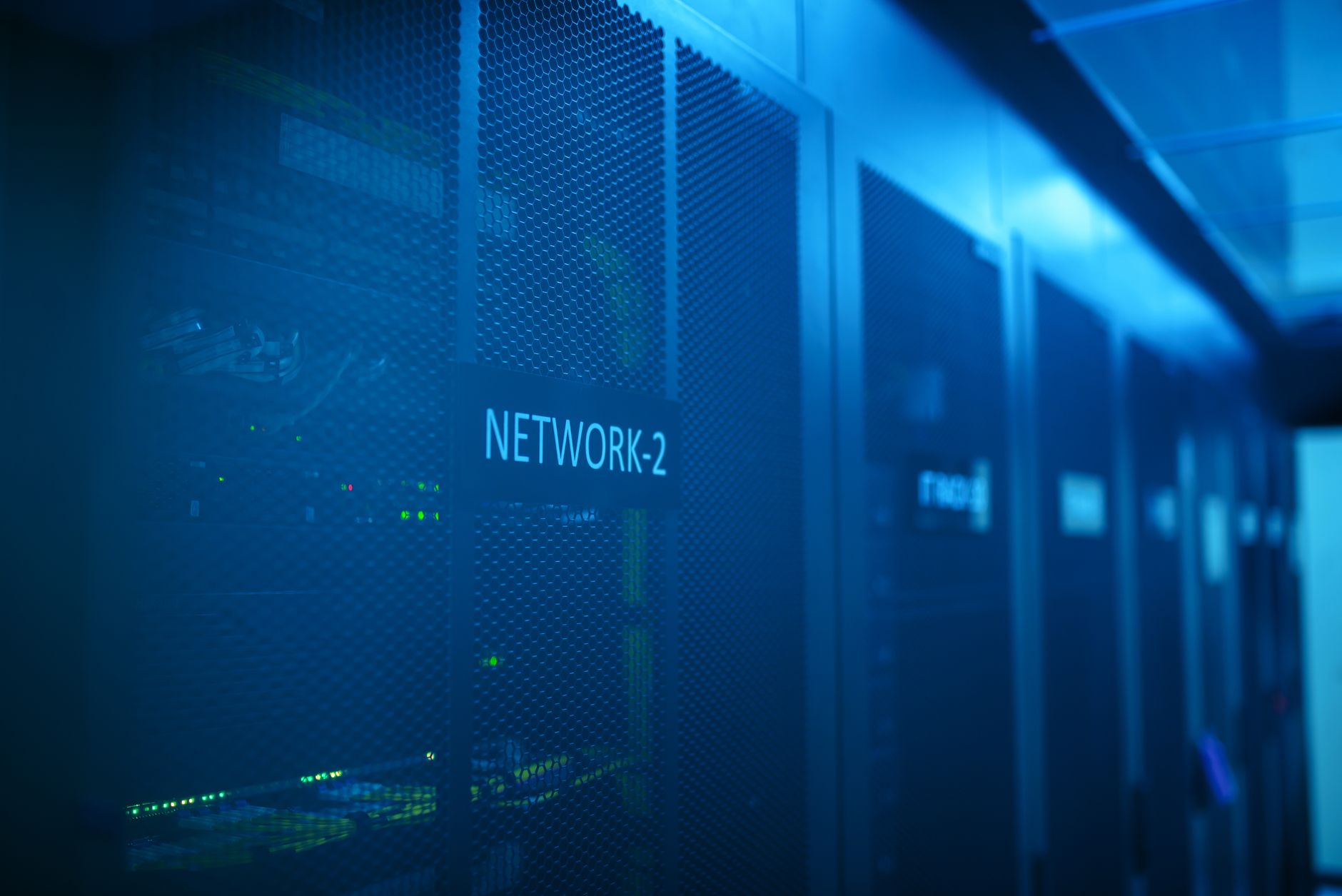
Lawmakers are about to hit AI data centers with costs and regulations that the industry has never faced before. The scale and speed of AI adoption have put data center energy use under a microscope, and the rules are changing faster than most operators can respond. The next twelve months will set the terms for who pays, who benefits, and who gets left with the bill.
Senate bill: Data centers will pay for the grid they use and the growth they drive
A new Senate bill would force data centers to pay not just for their own grid use, but for the extra transmission and infrastructure their growth demands. This is a step change. Until now, most data center operators have made voluntary contributions or relied on utilities to spread costs across the rate base. The draft legislation marks the most aggressive response from Washington yet, reflecting growing backlash over the energy and environmental impacts of hyperscale data centers. The bill would require data centers to cover both their share of existing grid costs and the incremental costs triggered by their massive electricity demand. For operators used to negotiating one-off deals, this is the end of an era.
States and federal regulators could charge data centers above cost to subsidize others
The bill does not stop at cost recovery. Under its provisions, federal and state regulators could go further, charging large data centers more than their direct or incremental costs, and using the excess to lower other customers’ bills. This means AI data centers could become a new revenue source for utilities and a way to shield residential and small business customers from rate hikes. The financial logic is clear: data centers are among the largest single users on the grid, and their expansion creates both capital needs and political risk for utilities. The question is how far regulators will go, and how much of the cost will be passed to end customers of cloud and AI services.
Tech industry resistance meets utility deals that shift the cost burden
Some in the tech industry are warning that these rules single out data centers for an unprecedented level of scrutiny and cost. One industry official called the provisions "an unprecedented level of discriminatory treatment" for a single sector. The risk is that developers could look for ways to build off-grid or in jurisdictions with lighter regulation, taking investment elsewhere. But the biggest tech players are already moving to get ahead of the backlash. Duke Energy, for example, has inked a deal with Amazon, Google, Meta, Microsoft, and others to insulate ratepayers from the costs tied to data center expansion, funding new energy upgrades directly. The terms of these deals are now as important as the underlying power contracts, and the pressure to make them public will only increase.
Google and Amazon are turning to gas and nuclear to keep up with AI demand
The scale of the energy problem is clear in the sourcing decisions of the largest players. Google has signed a new agreement with Black Hills Corp. for gas-fired generation to supply a planned data center in Wyoming. Amazon’s new Pennsylvania campus will be powered by gas sourced from a former coal plant site. Both companies are also exploring nuclear options, either through direct investment or long-term power purchase agreements. The message is clear: wind and solar alone cannot keep up with the load, and the AI boom is forcing a return to firm, dispatchable power. Every new data center deal now has to answer where the electrons will come from, and regulators are watching the carbon intensity as closely as the reliability.
Battery technology races to meet AI’s backup power challenge
Backup power is another front where the technology is moving fast. QuantumScape is announcing its first product for data centers, a solid-state battery with high power density, long runtime, and greater safety than conventional lithium-ion. The cells have demonstrated stability in conditions above 300°C, which matters for permitting and operational safety. Faster backup means less reliance on diesel and more flexibility for grid integration. For AI workloads that cannot tolerate downtime, the value of resilient, scalable backup is only going up. Battery providers are now in the conversation with utilities and data center operators, not just as vendors but as critical infrastructure partners.
Carbon emissions are next: scrutiny on energy use is only the first wave
The cost and scrutiny facing AI data centers are only going up. Lawmakers, utilities, and the public are demanding a bigger share of the benefits and fewer externalities. The next round will be about carbon. Every operator who thinks the debate ends with infrastructure costs is missing the real shift. Carbon reporting, verification, and pricing will become as standard as energy bills. The sector cannot afford to ignore it, and the financial markets will price in the difference between voluntary offsets and regulated, verifiable carbon accounting. The question is not if, but when, the full carbon cost will be on the balance sheet.
Read the full Axios analysis here: https://www.axios.com/newsletters/axios-future-of-energy-50178480-c265-11f1-bb90-a7c3f378fb8e.html
Read more